If you’re planning a new dock for your lake property, one of the first decisions you’ll face is choosing between floating and fixed docks. Both options protect your boat and give you easy water access, but they perform very differently depending on your shoreline, water levels, and long-term maintenance goals. In this guide, we break down what actually separates these two dock types so you can choose with confidence.
Floating docks rise and fall with the water level, making them ideal for lakes with fluctuating depths, while fixed docks are permanently anchored and offer a more stable, traditional feel. The right choice comes down to your lake’s water level behavior and how you plan to use the dock.
What Is a Fixed Dock?
A fixed dock is anchored directly into the lakebed using pilings, usually made of treated wood, steel, or concrete. Because it doesn’t move with the water, it feels sturdy and stable underfoot, much like a small pier.
Fixed docks work well on lakes with consistent water levels. However, on lakes where water fluctuates seasonally, a fixed dock can leave you with an awkward climb down to your boat when levels drop, or a submerged walkway when levels rise.
What Is a Floating Dock?
A floating dock rests on flotation devices and is typically guided by anchor pilings or cables that hold it in position while allowing it to move freely up and down. As water levels rise or fall, the dock adjusts right along with it.
This makes floating docks a strong choice for Tennessee lakes like Old Hickory Lake and Center Hill Lake, where water levels can shift throughout the year due to seasonal rainfall and reservoir management. Your dock stays at a consistent height relative to the water, which makes boarding your boat easier no matter the season.
How Do Maintenance Needs Compare?
Maintenance is where the two dock types diverge the most.
Fixed docks rely on pilings that sit in the water year-round. Over time, these can be affected by moisture, algae growth, and general wear, so periodic inspection of the pilings and connection points is important.
Floating docks also rely on anchor points and flotation components, but since the dock itself isn’t rigidly fixed to the lakebed, it experiences less structural stress from water level changes. Regular upkeep still matters, including checks on flotation and anchoring hardware.
Either dock type will hold up longer with routine care, especially given how much summer heat and algae growth can affect anything sitting in the water for extended periods.
Which One Fits Tennessee Conditions Better?
Tennessee summers bring heat, humidity, and the occasional strong storm, all of which put dock structures to the test.
Fixed docks stay completely stationary regardless of water movement, which some owners prefer for a consistently solid feel underfoot. Floating docks are better suited to lakes with fluctuating water levels, since they adjust naturally instead of leaving a gap between the dock and the water.
Neither option is universally “better.” The right choice depends on your specific shoreline, the lake you’re on, and how your property is positioned. Our team builds custom dock construction tailored to your exact shoreline and water conditions.
Does Your Dock Choice Affect Your Boat Lift?
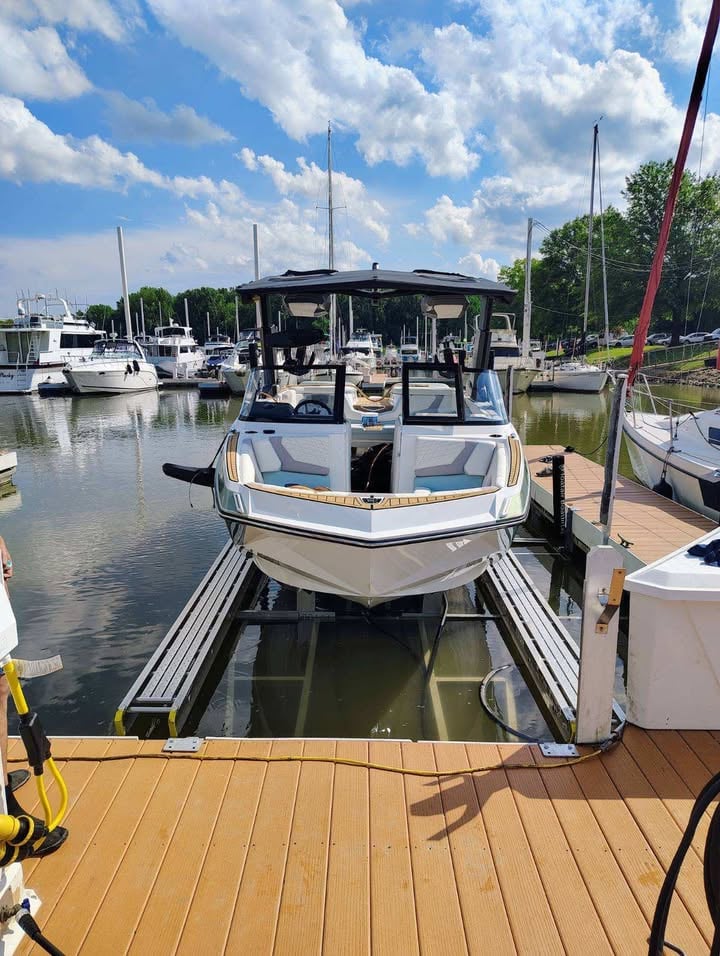
If you’re planning to add a boat lift, it helps to know that HydroHoist boat lifts are designed to work with both fixed and floating dock systems. That means your dock type decision and your boat lift decision don’t have to compete with each other. Whichever dock style fits your waterfront best, a properly matched lift can still be added to keep your boat protected from constant water exposure.
Making the Right Choice for Your Property
Choosing between floating and fixed docks comes down to a few key questions: How much does your lake’s water level change throughout the year? How exposed is your shoreline to wind and waves? And how much long-term maintenance are you comfortable taking on?
Because every shoreline is different, the best way to get a clear answer is to have your property evaluated directly. Our team specializes in custom dock construction across Old Hickory Lake, Percy Priest Lake, Center Hill Lake, Dale Hollow Lake, Kentucky Lake, and Guntersville Lake, and we can walk you through which option makes the most sense for your specific waterfront.
Frequently Asked Questions
1. Is a floating dock better than a fixed dock?
Neither is universally better — it depends on your lake. Floating docks handle fluctuating water levels well, while fixed docks offer a stationary, traditional dock feel that works best where water depth stays consistent.
2. Do floating docks require less maintenance than fixed docks?
Floating docks experience less structural stress from water level changes since they aren’t rigidly fixed to the lakebed. Both dock types still benefit from regular inspection of anchoring hardware and connection points.
3. Can a HydroHoist boat lift be used with a floating dock?
Yes. HydroHoist boat lifts are designed to work with both fixed and floating dock systems, so your dock choice doesn’t limit your boat lift options.
4. Are floating docks good for lakes with changing water levels?
Yes. Since floating docks rise and fall with the water, they’re a strong fit for lakes like Old Hickory Lake and Center Hill Lake, where seasonal water level changes are common.
5. Do fixed docks feel more stable than floating docks?
Yes. Because fixed docks are anchored directly into the lakebed and don’t move with the water, many owners find them to feel more solid and stationary underfoot.
6 How do I know which dock type is right for my property?
The right choice depends on your specific shoreline, water level changes, and exposure to wind and waves. Having your property evaluated by an experienced dock builder is the most reliable way to decide.
Both floating and fixed docks can serve your waterfront property well, but the right choice depends on your lake, your shoreline, and how much long-term maintenance you want to take on. Understanding these real differences helps you invest in a dock that fits your lifestyle for years to come.
Ready to figure out which dock type is right for your property? Talk to our dock experts today for a personalized recommendation.